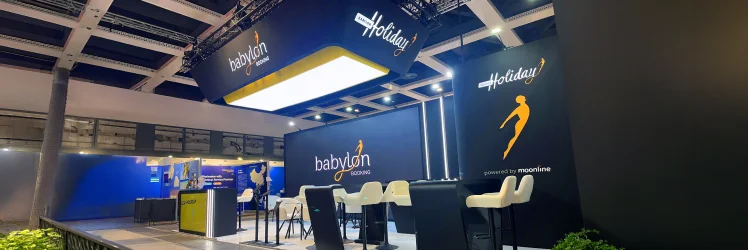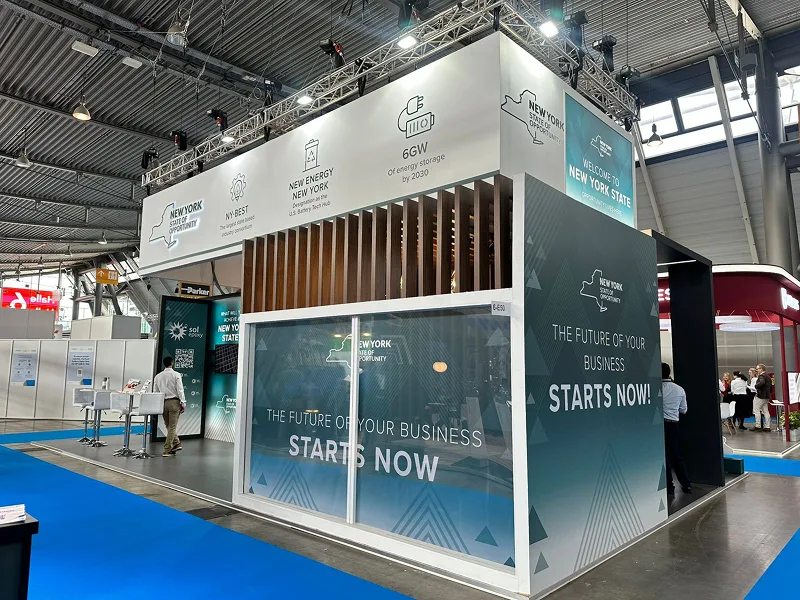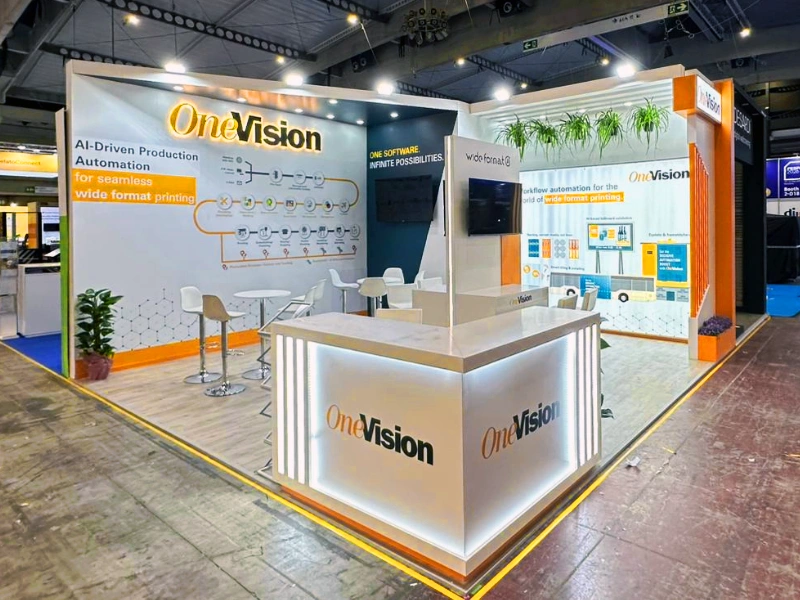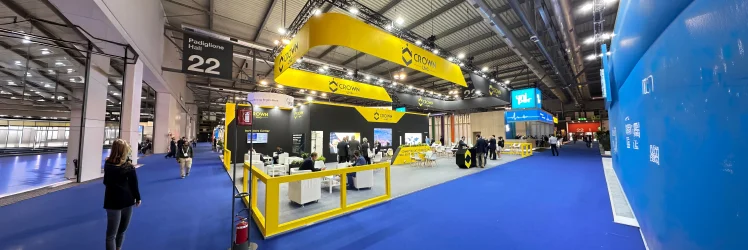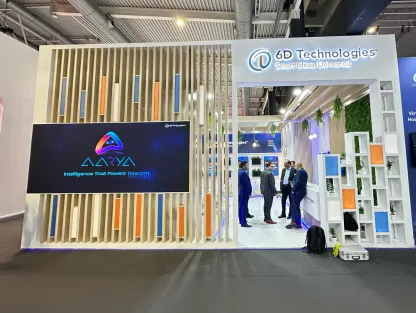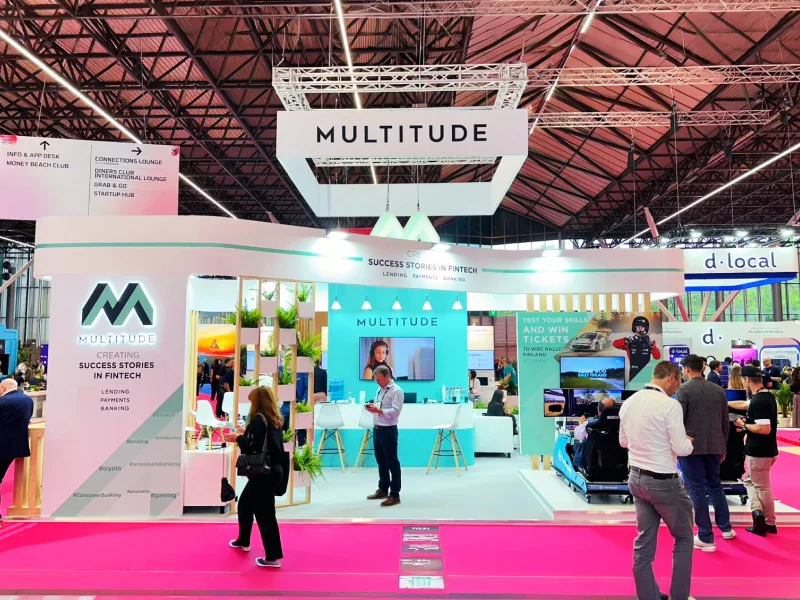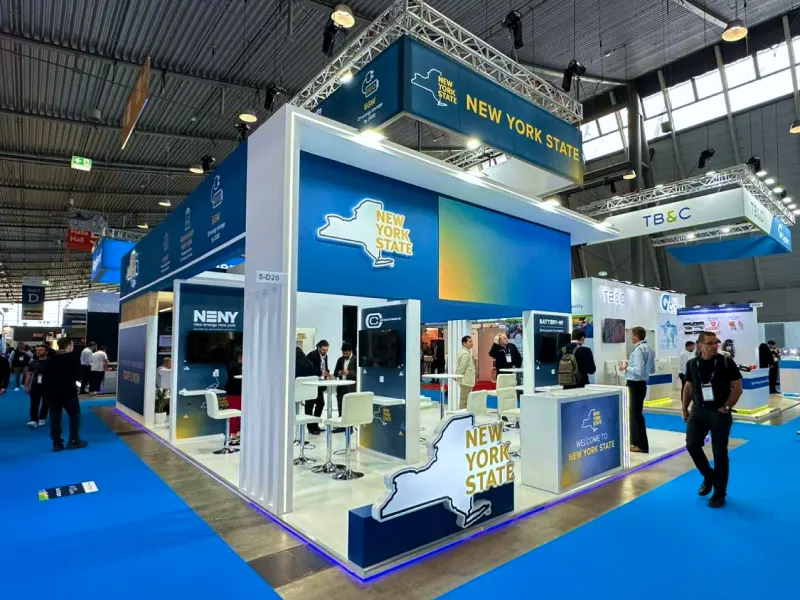
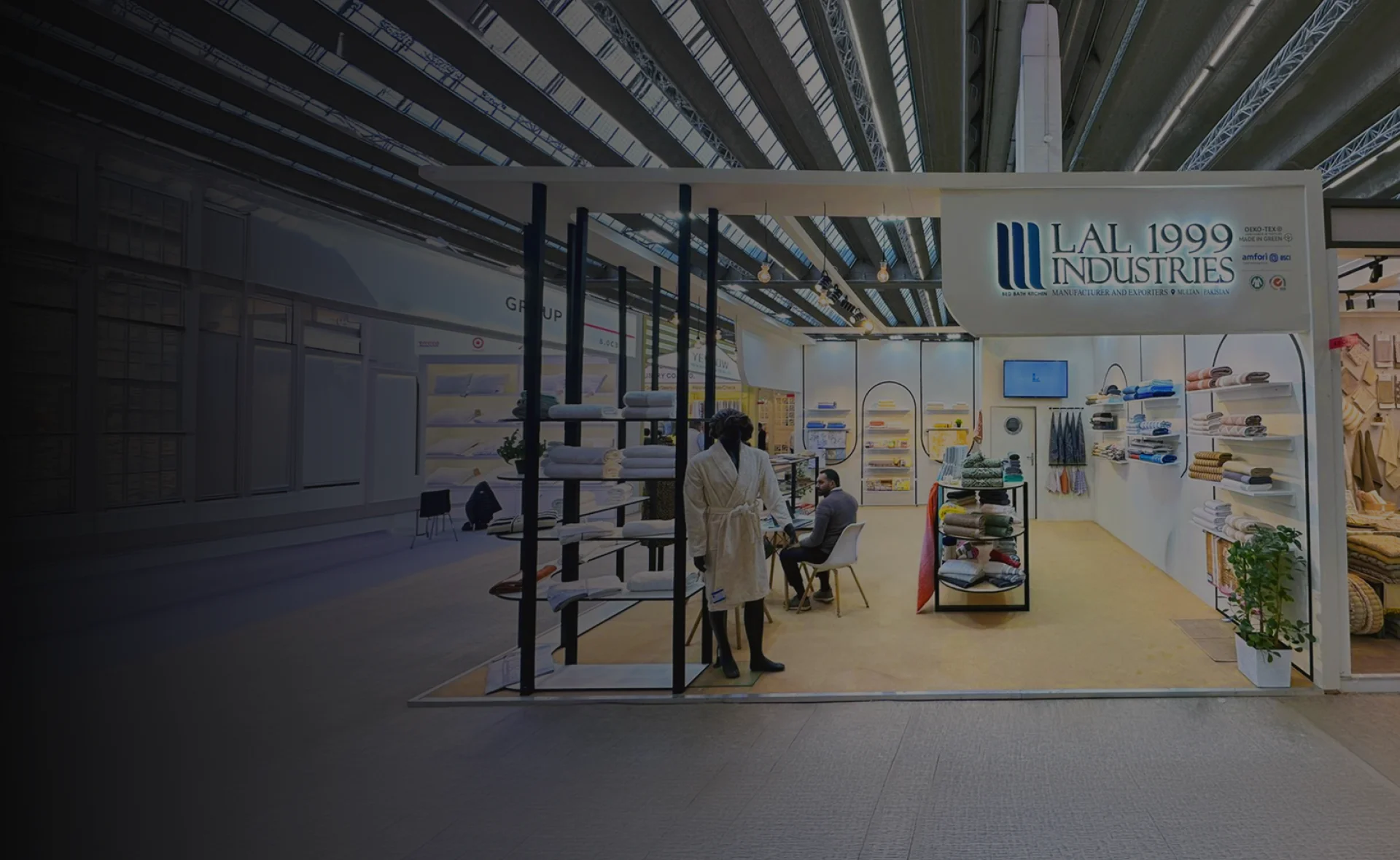

Trade shows remain one of the strongest ways to win new business in Germany and across Europe. Exhibitors spend months preparing for just a few days on the floor. Yet every year, budgets get tighter while expectations for a polished presence keep climbing.
Therefore, more companies are rethinking how their exhibits are built. A stand that gets used once and thrown away no longer makes financial sense, especially for brands that attend several shows a year. Reusable exhibition stands have quietly become the smarter route for teams that want a strong presence under budget.
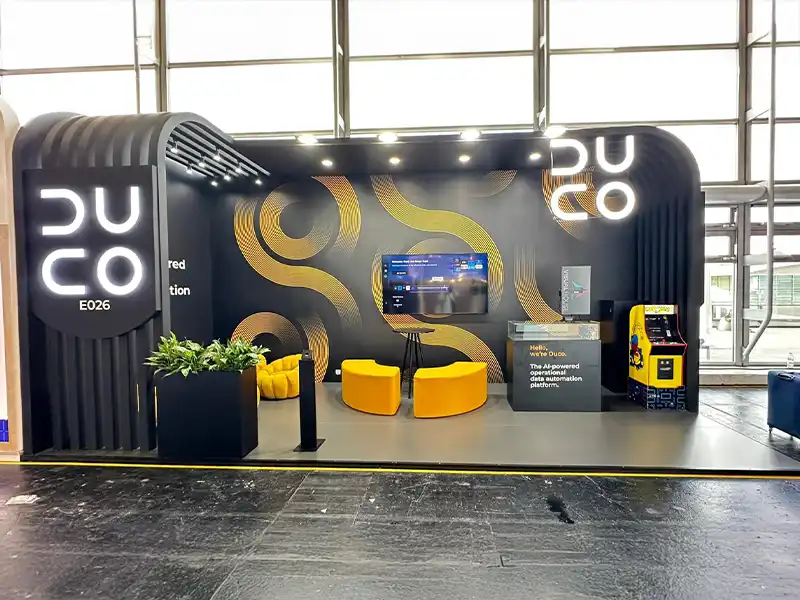
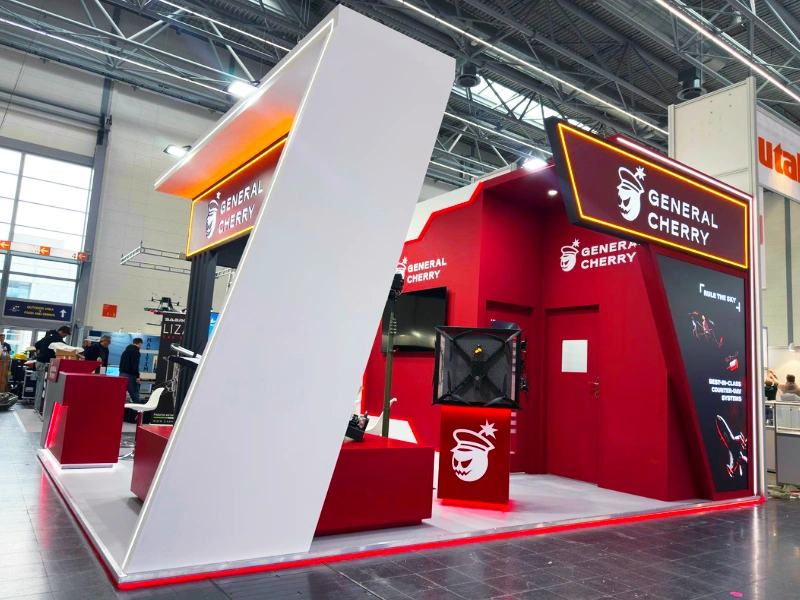
Expo Display Studio GmbH designs stands that last well beyond a single show. Furthermore, our approach centres on durable and high-quality materials paired with smart construction. So one can refresh every structure for future shows without losing its polished finish.
We’ll break down where exhibitors typically spend the most and how Expo Display Studio GmbH builds stands that hold up show after show.
The Main Costs of Exhibiting at a Trade Show in Germany
There’s a long list of expenses that pile up long before the exhibition opens. So, understanding where the money actually goes is the first step toward spending it more wisely. For example-
- Stand design and construction
- Transportation and storage
- Installation and dismantling
- Graphics, furniture, and disposal
- Venue space rental and event registration fees
- Staffing, travel, and accommodation for the team
- Electrical fittings, lighting, and AV equipment
Does a Reusable Exhibition Stand Design Actually Reduce Cost?
Yes, and the savings show up in more places than most exhibitors expect. Exhibition stand costs do not get discarded after a single appearance. It’s an asset that keeps earning its value across multiple exhibitions. Once you make the initial investment, nearly every expense for future shows drops significantly. Moreover, here’s how that plays out in practice.
Lower Construction Costs
With a custom stand, every show means starting from scratch. However, reusable exhibition stands for multiple trade shows flip this entirely. Because the structural components are built once, using durable materials designed for repeated assembly. So future shows only require minor adjustments. This alone can bring the average spend per event down dramatically.
Reduced Transportation and Storage Costs
Modular components are lightweight and compact. So it means they pack into far fewer crates. Then, smaller shipments translate directly into lower freight bills. Between exhibitions, these systems also stack and store efficiently, cutting down on warehouse space and the fees that come with it.
Faster Installation and Dismantling
Reusable stands are typically minimal-tool exhibit. Panels click together and graphics attach without the need for a large specialist team, working overnight. This shortens the labour hours billed on-site while reducing the risk of costly last-minute fixes.
Affordable Graphic and Design Updates
Since the structure stays the same, updating your branding for a new campaign only means swapping the printed panels or fabric graphics. So, your booth looks new at every show, without paying for an entirely new build each time your marketing shifts.
How Expo Display Studio GmbH Creates Cost-Effective Exhibition Stands in Germany
Expo Display Studio GmbH is an exhibition stand builder in Europe that works with exhibitors across Germany and the wider European countries. While modular stands are a part, our range goes well beyond that. We design and manufacture custom exhibition stands for brands that want a fully unique presence. We also craft double-decker stands for exhibitors who need extra space and visual impact. In addition to it, rental stands are perfect for companies attending a one-off exhibition who’d rather skip long-term ownership altogether.
What ties all of this together is our focus on genuine value. Additionally, we handle every stage at our local production house. We start with the initial concept and design and take it through to build, on-site installation, etc.
If you’re planning your next trade show in Germany or elsewhere in Europe and want a stand that pays for itself across several exhibitions, our team at Expo Display Studio GmbH is ready to help you plan it.
LET’S WORK TOGETHER
READY TO MAKE AN IMPACT?
Turn your ideas into an extraordinary exhibition experience. Get in touch with our team today.